Pool Inspections and Safety Barrier Checks

Pool inspections can help property owners understand the condition and operation of pool or spa barriers before they speak with an authorised inspector or relevant authority. This page explains common inspection topics, practical preparation steps, and how to verify the rules that apply where the property is located.

This website does not claim to be an authorised inspector, issue certificates, serve any particular state or territory, or guarantee that a barrier is safe or compliant.

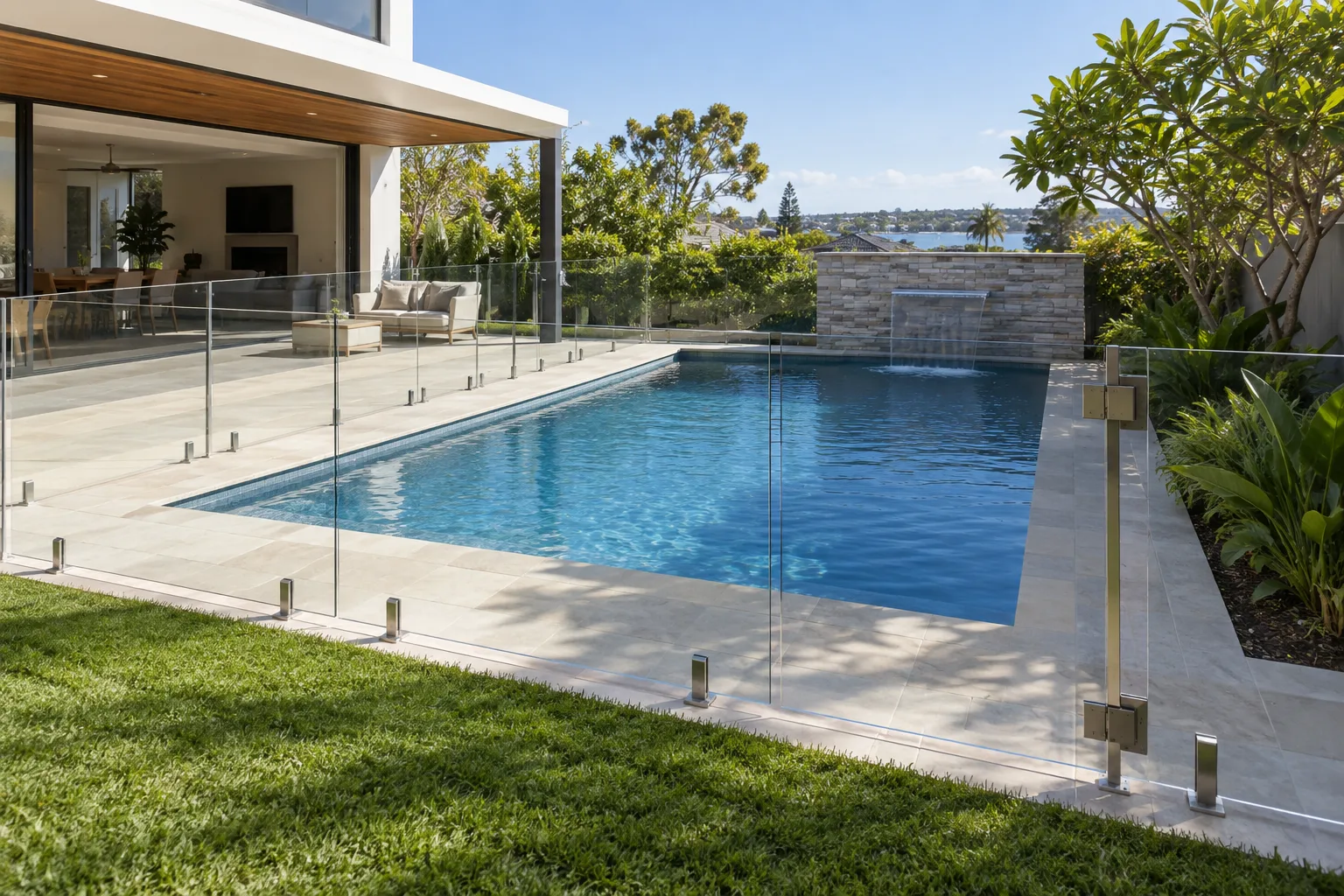
Illustrative architectural view of a pool area with a transparent barrier
Illustrative image only. It is not compliance evidence and does not show a verified compliant barrier.

Understanding pool inspections before you book one

In Australia, requirements for swimming pool and spa barriers are controlled through state, territory and, in some cases, local government rules. The exact obligations can differ depending on where the property is located, when the pool or spa was installed, the type of barrier, the property type and other regulatory factors. For that reason, a useful starting point is to separate two questions: what an inspection commonly looks at, and what the law currently requires in your location.

A general pool inspection may involve looking at whether the barrier is intact, whether access points operate as intended and whether the surrounding area creates obvious problems. An authorised inspection performed for a statutory purpose may follow a formal process set by the relevant jurisdiction. This website provides general preparation and barrier-awareness information only. For current legal requirements, always check the website of the relevant state or territory authority and your local council or other responsible local authority where applicable.

What a pool or spa barrier inspection may cover

Gate closing and latching

An inspection may look at whether a gate closes freely from an open position and whether the latch engages in normal use. A gate that sticks, drags, has been propped open or no longer aligns with its latch can be a practical concern. The required hardware, positioning and test method can vary by jurisdiction, so avoid relying on generic measurements found online.

Fence and barrier condition

Inspectors may look for damaged, loose, unstable, corroded or altered barrier components. This can include panels, posts, rails, walls, doors or other elements that form part of the barrier. Repairs should preserve the intended function of the barrier rather than simply improve appearance.

Gaps and openings

Openings beneath, beside or within a barrier may be considered during an inspection. Soil movement, landscaping changes, replacement paving and fence movement can change gaps over time. The acceptable dimensions are not the same in every regulatory setting, so measurements should be checked against the current rules that apply to the property.

Nearby objects and vegetation

Furniture, stored items, planters, trees, branches, garden structures and other objects close to a barrier may affect access to the pool area. An inspector may consider whether the surrounding environment makes the barrier easier to climb or bypass. Local rules determine how these situations are assessed.

Preparing the property for a clearer inspection

Preparation should focus on access, visibility and basic maintenance, not on trying to predict the outcome. Walk the full barrier line and make sure the inspector can reach gates, fence sections and any adjoining elements that form part of the pool or spa enclosure. Remove temporary clutter that prevents an ordinary visual inspection, while avoiding structural changes unless you understand the applicable requirements.

Operate each relevant gate as you normally would. If a gate is difficult to move, does not close consistently or has an obvious fault, arrange appropriate maintenance before an authorised inspection if practical. Check that latches, hinges and visible fasteners are not obviously loose or damaged. Look at the condition of panels, posts, walls and joins, including areas partly hidden by plants or stored items.

Review recent landscaping, paving, decking or renovation work. Even work that was not intended to alter the barrier can change ground levels, create new footholds, move objects closer to the enclosure or affect gate alignment. If you have approvals, prior inspection documents, plans or correspondence relevant to the pool or spa, gather them so they are available if an authorised inspector or authority requests them.
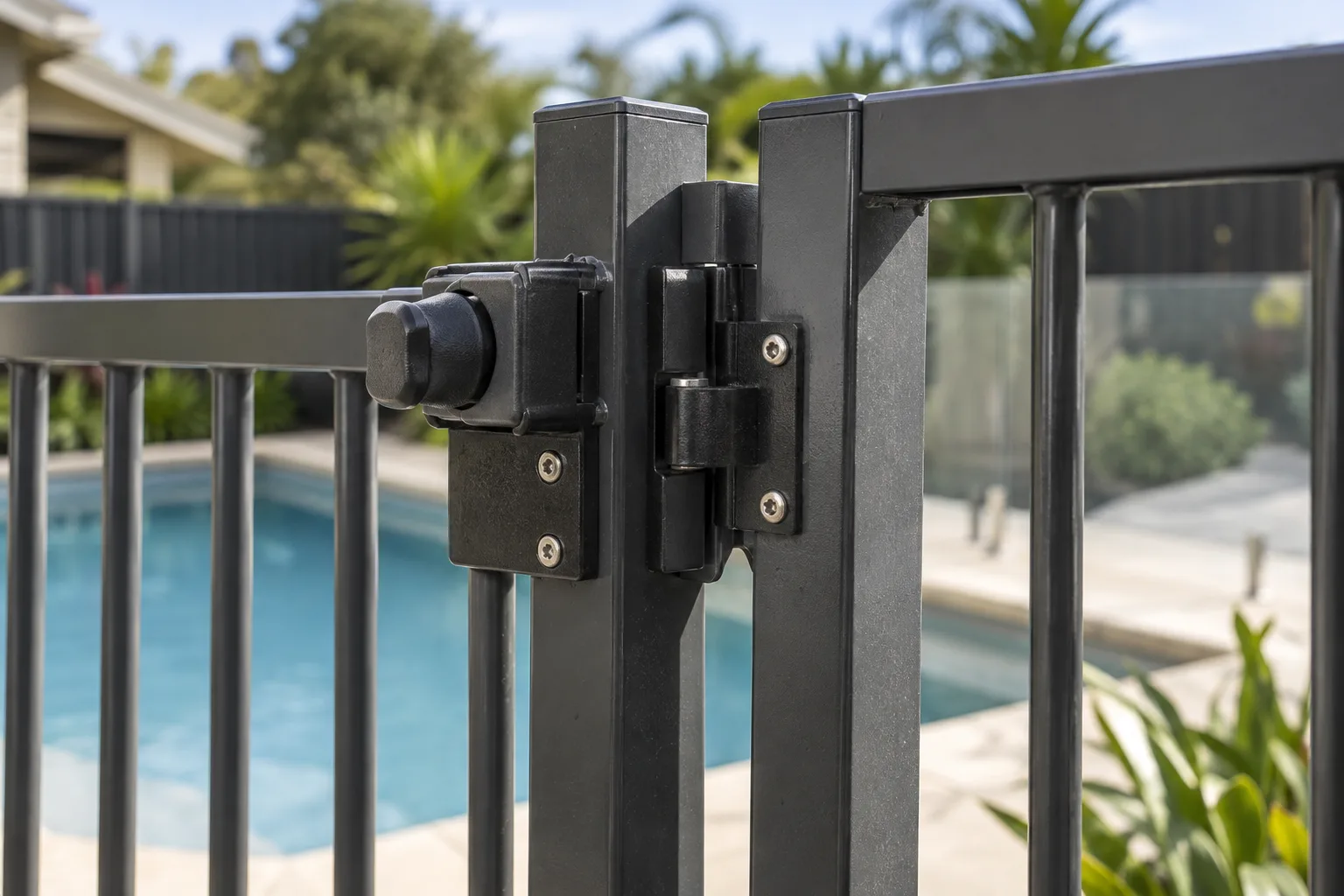
Illustrative close view of a pool barrier gate latch and fence junction
Illustrative image only. It is not compliance evidence and should not be used to judge whether a real barrier meets legal requirements.

Common barrier concerns worth noticing early

Many issues that attract attention during pool inspections are ordinary maintenance or access problems that develop gradually. A gate can move out of alignment, a latch can become unreliable, a fence panel can loosen, landscaping can grow into a barrier line, or stored objects can accumulate near the enclosure. Identifying these issues early can make it easier to decide what needs maintenance and what requires professional advice.

Pay particular attention after storms, soil movement, building work, landscaping changes or replacement of fencing, paving, decking and gates. Also review the area after moving outdoor furniture, barbecues, storage boxes, play equipment, pots or gardening materials. The fact that an item has been in the same place for years does not establish that the arrangement complies with current requirements.

Do not treat a visual self-check as a substitute for an authorised inspection where one is legally required. A barrier can appear sturdy while still raising regulatory issues that are not obvious without reference to the correct standard, installation date, approval history or local legal framework.

Pool inspection requirements vary by state, territory and local authority

Australia does not have one single pool barrier inspection process that applies identically to every property. States and territories set their own legislative and regulatory frameworks, and local councils or other authorities may administer registration, inspection, documentation or enforcement functions.

Before arranging an authorised inspection or relying on any checklist, identify the jurisdiction for the property and confirm the current rules at official sources. Search the relevant state or territory government website for swimming pool and spa barrier requirements, then check the local council or responsible local authority for property-specific processes, registration obligations, approved forms, inspection pathways and current contact details.

Rules can change. Published guidance may also distinguish between new and existing pools, different installation dates, different barrier types and different classes of property. If an official source and a general website conflict, use the official source and seek clarification from the relevant authority or an appropriately authorised professional.

Possible next steps after an authorised inspection

The next step depends on the inspection purpose, the inspector's authority, the findings and the process in the relevant jurisdiction. You may receive information confirming that no immediate rectification has been identified, or you may receive a report, notice, list of items to address or instructions about further steps. The names and legal effects of documents differ between jurisdictions.

If work is required, read the written findings carefully before arranging repairs. Separate straightforward maintenance from work that may need a qualified trade, specialist contractor, building approval or regulatory guidance. Keep records of correspondence, invoices, photographs and completed work if these may be needed for a reinspection or authority process.

Where a certificate or other formal document is available under local law, only an appropriately authorised person or authority can determine whether the relevant requirements have been satisfied. This website does not issue certificates or verify compliance.

Pool inspections: common questions

Is a pool inspection the same as a compliance inspection?

Not necessarily. The phrase “pool inspection” is used broadly. A statutory or compliance inspection may need to be performed by a person authorised under the rules that apply in the property’s jurisdiction. Confirm the purpose of the inspection and the inspector’s authority before relying on the outcome for a legal requirement.

Can I check the barrier myself first?

Yes, a general visual review can help you spot maintenance issues such as a gate that does not operate smoothly, damaged barrier sections, changed gaps or objects close to the barrier. A self-check does not replace an authorised inspection where one is required.

What should I do if the gate does not close or latch properly?

Treat an unreliable gate as a maintenance issue that warrants prompt attention. Avoid guessing at regulatory measurements or hardware positions. Arrange suitable repair work and verify the applicable requirements through official local sources or an authorised professional.

Do plants and outdoor furniture matter?

They can. Vegetation, furniture, storage and other objects may affect access around a barrier or how easily it can be climbed or bypassed. How this is assessed depends on the current rules that apply to the property.

Where can I find the correct legal requirements?

Start with the relevant state or territory government website, then check the local council or responsible authority for the property. Use current official guidance rather than generic measurements copied from other states or older sources.

Does this website provide pool inspection certificates?

No. This website is an information and enquiry resource. It does not claim to be an authorised inspector, issue certificates, provide a statutory inspection service in any state or territory, or guarantee safety or compliance.

Ask about pool inspections and barrier checks

Use this form to send a general enquiry. Do not include sensitive identification documents, payment details or information you would not normally send through a website contact form.

Privacy notice: Information you submit is sent to the website operator through SMTP2GO to respond to your enquiry. It is not published on this page. Do not include payment details or identity documents. You may request correction or deletion by replying to any response. This website uses no advertising or analytics scripts.
Preferred contact method